

What is UL 746?
It’s an important question—whether you’re new to the plastics industry, planning to launch products worldwide, or simply curious to learn more about the tests behind the standards your materials are certified to. Understanding these standards helps you make informed choices, verify compliance, and build products that meet global safety and performance expectations.
UL 746 refers to a set of standards developed by Underwriters Laboratories (UL)—a leading global safety science organization. These standards define requirements for evaluating the safety and performance of plastic materials used in electrical and electronic products. They cover aspects like mechanical, ignition resistance, electrical properties, short-term thermal and long-term aging to ensure materials meet strict safety criteria.
UL standards are grouped into series, each focusing on a specific category of products or hazards. UL 746 is part of the plastics series, helping manufacturers meet compliance requirements and market acceptance across regions.
The series is divided into several parts, each focusing on specific aspects of material evaluation: UL746A, UL746B, UL 746C, UL 746D, UL 746E, UL 746F, UL 746G, UL 746H UL 746R and UL 746S.
Let’s dive into the UL746 series and each of their key components.
UL 746A – Short-term property evaluations
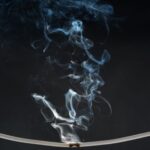 UL 746A is all about testing plastics for short-term performance. It sets the rules for checking how a material holds up when it comes to strength, electrical properties, chemical resistance, and ignition resistance—basically, how safe and reliable it is under different conditions. These tests help make sure the plastics used in electrical and electronic products meet safety standards before they hit the market.
UL 746B – Long-term property evaluations
UL 746B looks at how plastics perform over the long haul. It’s all about understanding how materials age and break down over time—especially when they’re exposed to heat for extended periods. These tests help predict durability and safety so manufacturers know their products will last and stay reliable.
UL 746C – Use in electrical equipment
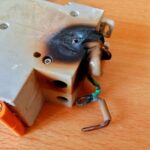 UL 746C is about testing plastics used inside electrical equipment. It checks how well these materials hold up in real-world conditions—things like outdoor exposure, UV light, and water. Part of this includes environmental ratings like F1 (good resistance to sunlight and water) and F2 (less demanding conditions). These evaluations help ensure the materials stay safe and durable wherever they’re used.
UL 746D – Traceability of polymeric materials
UL 746D establishes requirements to confirm full traceability of polymeric materials throughout the manufacturing process. The standard covers every stage—from initial material handling and molding or fabrication through to the shipping of the finished parts. In addition to traceability, it outlines the evaluation criteria that apply when a molder modifies a material that has already been tested and certified. This maintains confidence that any adjustments during processing will not compromise safety, operational performance, or compliance obligations.
UL 746E – Industrial laminates and printed wiring boards
UL 746E sets the standards for materials used in things like industrial laminates, filament-wound tubing, vulcanized fiber, and printed wiring boards. One key part of this standard is testing how well the protective coating (called conformal coating) resists ignition from electrical sources. In short, it helps make sure these materials stay safe and reliable in demanding electrical environments.
UL 746F – Flexible dielectric film materials
 UL 746F covers flexible materials used in printed wiring boards and flexible circuit connections—think thin films like polyimide that provide insulation and help with conductivity. These materials are key for flexible electronics, and the standard makes sure they meet safety and performance requirements.
UL 746G – Per- and polyfluoroalkyl substances (PFAS) and non-fluorinated materials
 UL 746G is all about addressing the growing demand for plastics that don’t contain PFAS (per- and polyfluoroalkyl substances). It sets clear guidelines for testing and verifying materials—both virgin and recycled—to make sure they meet strict limits for fluorine and PFAS content.
Here’s what it means in practice:
- Non-fluorine materials: Must have ≤50 ppm of fluorine.
- Non-PFAS materials: Must have ≤50 ppm fluorine, <25 ppb of specific PFAS, and ≤250 ppb total PFAS.
- Non-PFAS with higher fluorine (not from PFAS): Allowed if the extra fluorine isn’t from PFAS but still must meet the same PFAS limits.
A full material formulation review is required to confirm that any fluorine present isn’t coming from PFAS. This standard gives manufacturers a clear path to compliance as industries move toward safer, PFAS-free materials.
UL 746H – Non-halogenated polymeric materials
UL 746H is all about certifying plastics that are non-halogenated meaning they’re free from chlorine and bromine. This matters because many industries are moving toward safer, more environmentally friendly materials.
The standard uses two rating schemes:
- Non-halogenated: Checks for fluorine, chlorine, and bromine content.
- Non-chlorine and non-bromine: Focuses only on chlorine and bromine.
Certification under UL 746H makes it easy for designers and buyers to find compliant plastics through UL’s database, giving confidence that materials meet strict safety and sustainability requirements.
UL 746R – Restricted use substances
UL 746R focuses on checking for restricted substances in plastics, helping manufacturers meet global environmental and safety rules—like the EU’s RoHS (Restriction of Hazardous Substances) directive. This is important for compliance and sustainability.
UL’s RoHS rating program doesn’t stop at initial testing—it includes ongoing inspections and updates to make sure certified materials keep meeting the latest requirements. If a material passes, it gets listed on the UL Solutions Yellow Card™, showing compliance with RoHS standards (2011/65/EU and 2015/863).
UL 746S – Sustainable polymeric materials
 UL 746S is all about sustainability. It sets the rules for testing recycled plastics—blended with virgin materials—for use in electrical equipment. Published in August 2023, this standard reflects the industry’s push toward greener solutions without sacrificing safety or performance.
UL Solutions now tests mechanically recycled plastic compounds under UL 746S through its Component Certification program. These requirements have fully replaced UL 746D, aligning with today’s environmental goals and regulations. This shift helps manufacturers create safer, more sustainable products while meeting global compliance standards.
Why Material Ratings Matter
Material ratings prove that a plastic has been tested and meets specific safety and performance standards. These ratings show how the material performs in areas like strength, durability, and flammability—based on globally recognized test methods. In short, they give manufacturers, designers, and buyers confidence that the material is reliable and compliant.
Plastic materials with these ratings are listed in our UL Product iQ™ and ULTRUS™ UL Prospector® databases. This makes it easy to search and verify materials, giving you confidence that they meet globally recognized standards, test methods and certification requirements.
At UL Solutions, our experts can help you navigate product standards, certification processes and compliance challenges. With a strong local presence backed by a global network, we deliver knowledgeable, efficient service in your target markets — supporting manufacturers in protecting public safety and maintaining brand integrity.
To learn more about our materials and plastics services, visit UL.com/plastics
Or to learn more about UL746 and to contact one of our team members, visit UL.com/UL746
The views, opinions and technical analyses presented here are those of the author or advertiser, and are not necessarily those of ULProspector.com or UL Solutions. The appearance of this content in the UL Prospector Knowledge Center does not constitute an endorsement by UL Solutions or its affiliates.
All content is subject to copyright and may not be reproduced without prior authorization from UL Solutions or the content author.
The content has been made available for informational and educational purposes only. While the editors of this site may verify the accuracy of its content from time to time, we assume no responsibility for errors made by the author, editorial staff or any other contributor.
UL Solutions does not make any representations or warranties with respect to the accuracy, applicability, fitness or completeness of the content. UL Solutions does not warrant the performance, effectiveness or applicability of sites listed or linked to in any content.