Industry Insights
Explore insights from industry experts across topics like regulatory news, formulation best practices, market innovations and opportunities, and more. Want to contribute? Learn how you can share your expertise.
LATEST INDUSTRY INSIGHTS
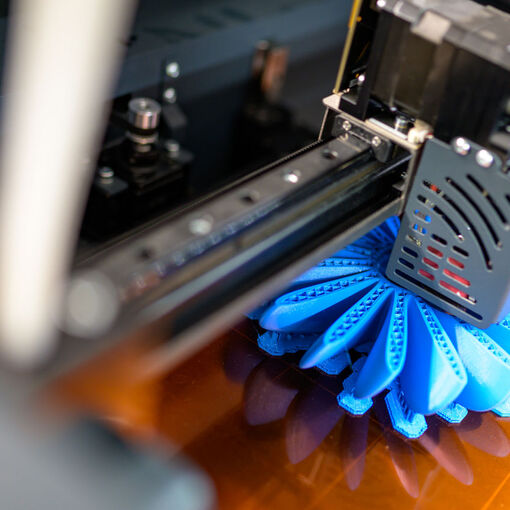
4D Printing – the extra dimension
For decades, additive manufacturing (AM) has focused on optimising three-dimensional spatial architectures, optimising strength-to-weight ratios … Continued

How Paint is Formulated
A paint batch can look fine in the can and still fail where it matters: … Continued

Best Practices for Formulating with Niacinamide
Why Niacinamide Matters to Formulators Unlike many trend-driven cosmetic actives, niacinamide offers multiple benefits across … Continued
INDUSTRY INSIGHTS ARCHIVE

Epoxy coatings are often associated with the familiar two-component epoxy–amine system, but epoxy functionality supports a much broader set of coating technologies. Depending on resin architecture and cure route, an epoxide may form the primary network, react with a carboxyl-functional … Continued

Mascara performance emerges from the combined behavior of waxes, pigments, film formers, emulsifiers, rheology modifiers, process conditions, and the applicator. This guide helps formulators move from a visible symptom to a focused, testable response. A disciplined troubleshooting sequence Define the … Continued

The new Prospector AI Search experience, part of ULTRUS® software from UL Solutions, is built for formulators and chemists and leverages trusted Prospector data to help you get answers faster and explore new formulations with confidence. How Prospector AI Search … Continued

Hydrophobic coatings if formulated correctly can provide a plethora of advantages which may include self-cleaning, corrosion resistance, and exterior durability. Most industrial, marine and exterior applications, require a coating to do more than repel water as determined by contact angle. … Continued

Written July 2026 The U.S. EPA is considering changing how plastics recycling plants that use pyrolysis technology are regulated under the Clean Air Act so they would no longer fall under the definition of municipal solid waste combustion units. “Revising … Continued