

Industry Insights
Explore insights from industry experts across topics like regulatory news, formulation best practices, market innovations and opportunities, and more. Want to contribute? Learn how you can share your expertise.
LATEST INDUSTRY INSIGHTS

Hydrophobic Coatings and Pigments: From Water Beading to Durable Protection
Hydrophobic coatings if formulated correctly can provide a plethora of advantages which may include self-cleaning, … Continued

EPA considers rule changes encouraging advanced recycling
Written July 2026 The U.S. EPA is considering changing how plastics recycling plants that use … Continued

Formulating Cleaners with Antibacterial Coatings: Benefits, Challenges, and Commercial Opportunities
As hygiene expectations continue to rise across household, institutional, healthcare, and food processing markets, formulators … Continued
INDUSTRY INSIGHTS ARCHIVE
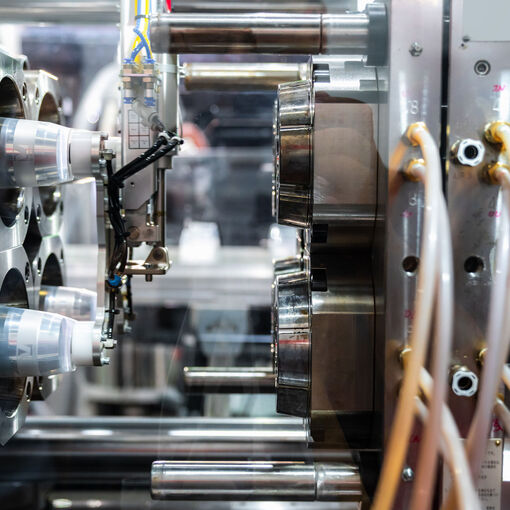
Long before anyone spoke of injection molding, ancient Greek bronze casters were already fighting this battle. Building the clay or plaster molds used in indirect lost-wax casting, they divided each mold into as few sections as possible without damaging any … Continued

Eco-friendly might be one of today’s most overused marketing claims. It is often applied to various formulations like personal care products (i.e., shampoos, lotions, and sunscreens), household cleaners, and fabric care products. But what does “eco-friendly” mean? Merriam-Webster Online Dictionary … Continued

The transition to electric vehicles is often discussed as a threat to lubricant demand because battery-electric vehicles eliminate engine oils and reduce the number of lubricated components. While EVs use fewer traditional lubricants than internal combustion engine vehicles, that view … Continued

For chemists and formulators, regulatory compliance is no longer a downstream activity. Across North America, Europe, Asia-Pacific, and Canada, regulators are shifting toward broader chemical class restrictions, increased supply chain transparency, digital product documentation, and sustainability-driven material selection. The practical … Continued
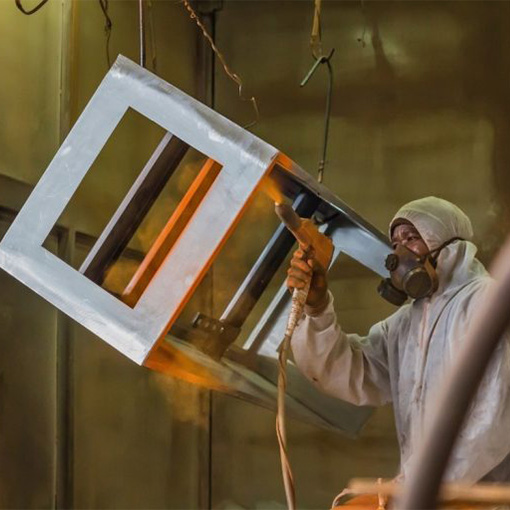
A conventional thermosetting powder paint consists of solid particles. Each particle contains all components. After application, the paint melts, flows and cures during film formation at high temperatures, generally in 10 to 15 minutes at 160 to 200 °C. Conventional … Continued